
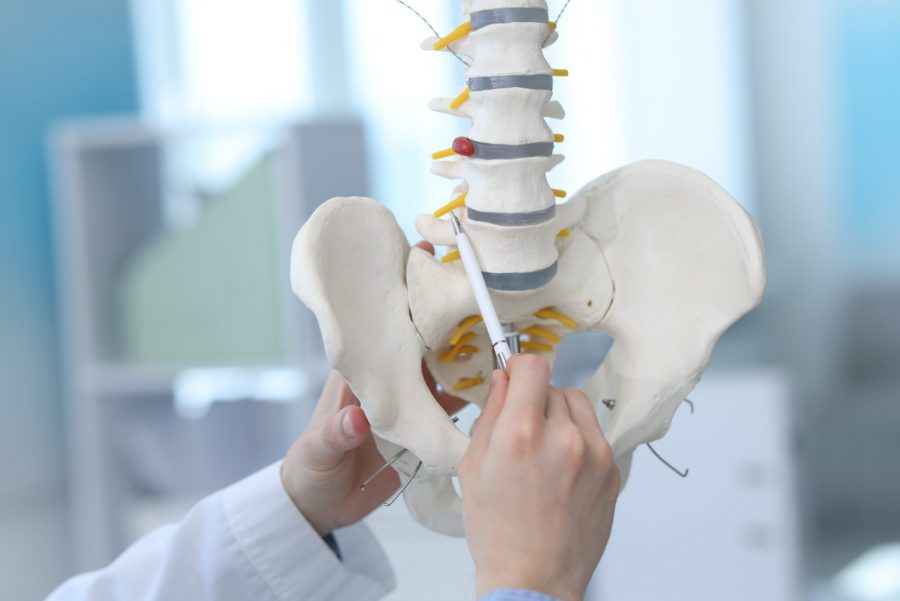
Tailbone injuries are a common result of slip and fall accidents and can make it difficult to sit, move comfortably, and complete everyday activities. It may not always be clear whether the injury is a bruise or a fracture, as both can cause similar symptoms. However, these injuries can differ in severity, diagnosis, treatment, and recovery time. If unsafe conditions caused your fall, a New York slip and fall lawyer can help you understand your legal options and pursue compensation for the medical costs and other losses connected to your injury.
What Is the Tailbone, and Why Does It Get Injured in a Slip and Fall?
The tailbone, or coccyx, is the small, triangular bone at the base of the spine. It helps support your body when you sit and serves as an attachment point for muscles, tendons, and ligaments.
The tailbone often gets injured in a slip and fall accident because the impact from landing directly on your buttocks places significant force on the base of the spine. A hard fall on a slippery floor, icy sidewalk, or uneven surface can bruise or fracture the tailbone. Older adults face a higher risk because age-related bone loss and reduced balance can make falls more likely and injuries more severe.
What Is a Bruised Tailbone?
A bruised tailbone is an injury to the tissues surrounding the coccyx, resulting in pain, tenderness, and inflammation. Treatment for a bruised tailbone often focuses on managing symptoms while the injury heals. Rest, ice, over-the-counter pain medication, and sitting cushions can help reduce pain and pressure on the area. Recovery may take a few weeks, depending on the severity of the bruise.
Symptoms of a Bruised Tailbone
Common symptoms of a bruised tailbone include:
- Pain that worsens when sitting, leaning back, or standing up from a seated position
- Swelling or bruising near the lower spine
- Discomfort during bowel movements
- Increased sensitivity when pressure is placed on the tailbone area
- Discomfort during everyday activities, such as walking or bending
What Is a Broken Tailbone?
A broken tailbone happens when the coccyx fractures. Unlike other broken-bone injuries, a broken tailbone cannot be placed into a cast. Because the tailbone cannot be immobilized with a cast, treatment usually focuses on reducing pain and supporting the body’s natural healing process. Common treatments include rest, ice, pain medication, and sitting on a cushion to relieve pressure. Most fractures heal within a few weeks to a few months, but recovery time depends on the severity of the injury. In rare situations, surgery may be an option for people with chronic, severe pain or a fracture that does not heal correctly.
Symptoms of a Broken Tailbone
Common signs of a coccyx fracture include:
- Severe pain after a fall or direct impact
- Pain when putting pressure on the tailbone
- Bruising or swelling around the injury site
- Trouble sitting or changing positions
- Pain during bowel movements
- Reduced mobility due to discomfort
- Persistent pain that does not improve with time
Broken vs. Bruised Tailbone: How to Tell the Difference
It can be difficult to tell the difference between a broken and bruised tailbone because both injuries can cause pain, tenderness, and difficulty sitting after a slip and fall accident. The main difference is that a broken tailbone involves a fracture of the coccyx, while a bruised tailbone affects the soft tissue surrounding the bone. A broken tailbone often causes severe, sharp, pain, takes longer to heal, and may require diagnostic imaging, such as an X-ray or CT scan, to confirm the injury.
Because these injuries share many symptoms, it is important to seek medical care after a fall. A healthcare provider can evaluate your injury and recommend the appropriate treatment.
| Bruised Tailbone | Broken Tailbone | |
|---|---|---|
| Injury | Damage to the soft tissue surrounding the coccyx | A fracture in the coccyx |
| Symptoms | Pain, tenderness, swelling, and discomfort when sitting or standing | Severe pain, tenderness, swelling, difficulty sitting, and pain that may persist for weeks or months |
| Pain level | Mild to moderate pain that may improve gradually | Moderate to severe pain that often lasts longer |
| Treatment | Rest, ice, pain medication, activity modification, and a cushion to relieve pressure | Rest, ice, pain medication, activity modification, supportive cushions, and, in rare cases, surgery |
| Recovery time | Often heals within a few weeks, depending on the severity of the injury | May take several weeks to a few months, depending on the severity of the fracture |
How Doctors Diagnose a Tailbone Injury
To diagnose a tailbone injury, doctors start by reviewing your medical history and asking questions about your accident and symptoms. They will perform a physical examination to evaluate the location and severity of your pain, check for swelling or bruising, and determine how the injury affects your movement.
Since the symptoms of a broken and bruised tailbone often overlap, a physical examination alone may not provide a clear diagnosis. If a fracture is suspected, your doctor may recommend imaging tests, such as an X-ray or CT scan, to evaluate the coccyx for a break.
Do You Need an X-Ray to Know if Your Tailbone Is Broken?
An X-ray is not always necessary to diagnose a broken tailbone. A doctor can determine whether you may have a broken tailbone by asking about your accident, reviewing your symptoms, and performing a physical examination. However, it can be difficult to distinguish a broken tailbone from a bruised one based on symptoms alone. An X-ray or CT scan is often the best way to confirm whether the coccyx has fractured.
Can You Recover Compensation for a Tailbone Injury After a Slip and Fall in New York?
You may be able to recover compensation for a tailbone injury after a slip and fall in New York if someone else’s negligence caused the accident. Businesses and property owners have a duty to maintain reasonably safe conditions and address hazards that could harm visitors. If unsafe conditions, such as a wet floor, uneven surface, or other dangerous property condition, caused your fall, the owner may be liable for your injuries and related losses.
Depending on the details of the accident, compensation may help cover medical treatment costs, lost wages, and other injury-related expenses. A premises liability lawyer can evaluate your case and help you understand whether you may be eligible to pursue a claim.
How Richmond Vona Can Help After a Slip and Fall Tailbone Injury
If you suffered a tailbone injury in a slip and fall accident, an experienced New York premises liability lawyer at Richmond Vona can help protect your rights, review settlement offers, build a strong case, and take your claim to trial if that becomes the best path forward.
We support our clients by:
- Investigating the accident: We determine the cause of your fall and identify the unsafe conditions involved.
- Gathering evidence: We obtain medical records, photographs, witness statements, and other documentation that support your claim.
- Establishing liability: We identify all responsible parties and show how their negligence contributed to your fall.
- Negotiating with insurance companies: We manage communications and negotiate for a fair settlement on your behalf.
- Pursuing compensation: We seek compensation for your medical bills, lost wages, pain and suffering, and other damages related to your injury.
Talk to Richmond Vona About Your Slip and Fall Injury
If a property owner’s negligence caused your slip and fall accident, you may be able to pursue compensation for your tailbone injury. The sooner you understand your rights, the sooner you can make informed decisions about your recovery.
At Richmond Vona, our New York State premises liability lawyers serve injured clients with personalized guidance and direct access to their team of attorneys. Contact us online or call 716-500-5678 to schedule a free consultation to learn more about next steps.
