
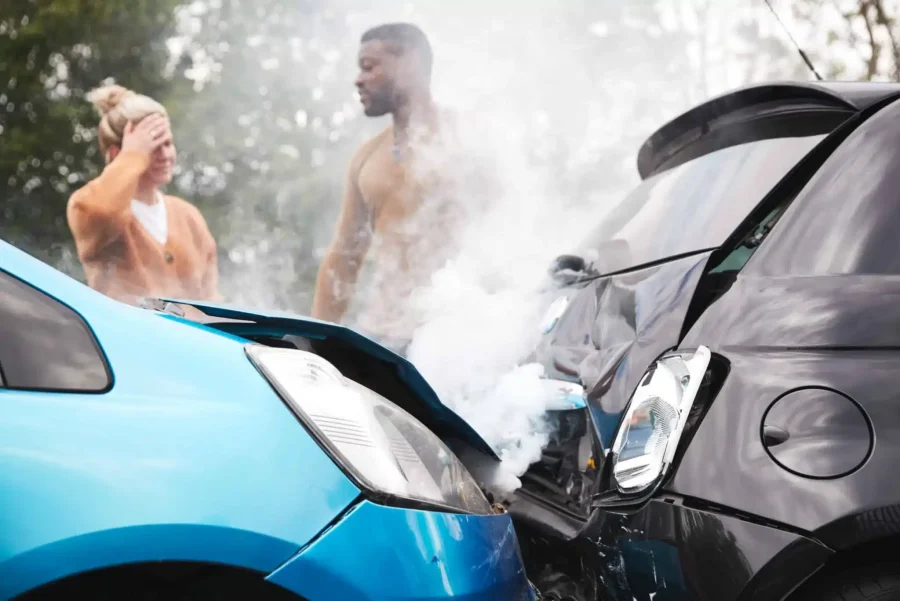
New York enacted several auto insurance reforms in 2026, including changes affecting certain personal injury claims and how insurers set rates. That change does not apply to claims for damage to your vehicle. Property damage claims remain subject to New York’s pure comparative-fault rule, meaning your recovery can be reduced by your share of responsibility but is not automatically barred because you were more than 50% at fault.
Recovering payment for a damaged vehicle depends on the available insurance coverage and what the evidence says about the crash. The insurer must also decide whether it accepts the repair estimate or vehicle valuation. Understanding that process can help you avoid unnecessary delays and challenge an offer that does not reflect what you lost.
Steps to Take After Vehicle Damage in a Car Accident
After a car accident, the feeling of panic sets in, followed quickly by concerns about the condition of your car. The stress of potential vehicle damage often surfaces before drivers even realize they may have been injured.
Step 1: Prioritize Safety
After a motor vehicle collision, your priority should be to ensure everyone’s safety. Move your vehicle to a safe spot on the side of the road to prevent further damage. Once you’re in a secure location and have confirmed that no one requires immediate medical attention, you can start assessing the damage to your vehicle.
Step 2: Report the Crash
Call the police from the scene and exchange contact, vehicle, and insurance information with the other driver. If an officer responds, ask how to obtain the police report.
The police report is separate from the MV-104 you may need to file with the New York DMV. State law requires drivers to submit an MV-104 within 10 days when a crash causes injury, death, or more than $1,000 in damage to the property of any one person. Reporting the crash to the police or your insurer does not satisfy that requirement.
Step 3: Get Evaluated by a Medical Professional
Car accident injuries do not always show up right away. Many people do not feel extreme pain or notice visible physical trauma immediately following the accident, but it is critical to get evaluated regardless. Some injuries are not obvious at the scene. If you feel pain, notice new symptoms, or struck your head or body during the crash, seek medical attention promptly. Delaying care also makes it harder to document when the symptoms began.
Step 4: Document Everything
Photograph every vehicle, the surrounding road, traffic signs, debris, and any nearby property that was struck. Capture wide shots of the scene and close-ups of the damage. Even a dented garbage bin can help confirm the path a vehicle took during the crash.
Step 5: Call Richmond Vona
If the crash only damaged your vehicle and the insurer handles the claim fairly, you may not need a lawyer. The situation changes if you were also injured. A dispute over fault or insurance coverage may affect more than the repair bill.
Richmond Vona’s New York car accident lawyers can review what happened, identify the insurance claims involved, and tell you which issues our team can handle. If the property damage portion is something you can reasonably address yourself, we’ll be honest about that too.
Step 6: Let Your Legal Team Contact the Insurance Company
If Richmond Vona represents you for an injury claim, our team can handle communications about that claim and explain how statements about fault could affect your case. You may still need to notify your insurer promptly and provide the documents required under your policy. Before giving a recorded statement, talk with your legal team so you know who is requesting it and how it could be used.
How Comparative Fault Affects a Property Damage Claim
New York uses a pure comparative-fault rule for claims involving vehicle damage. If you seek payment from another driver, your recovery is reduced by your share of responsibility for the crash. For example, if your vehicle sustained $10,000 in damage and the evidence showed that you were 30% at fault, your potential recovery from the other driver would be reduced to $7,000.
Insurance companies may rely on crash photos, vehicle damage, police reports, witness accounts, camera footage, and driver statements when assigning fault. If the percentage does not match the evidence, you have grounds to challenge it.
\Unlike certain personal injury actions affected by New York’s 2026 reforms, a property damage claim is not automatically barred because the claimant is found more than 50% responsible for the crash.
How to File a Property Damage Claim Online
Most insurance companies provide an option to report a claim online, whether the company insures you or not. One of the first questions should be whether you are a policyholder or if you were in an accident with a driver who is.
They will likely ask for:
- The type of claim
- The date & time of the accident
- The location of the accident
- A description of the accident
- Contact information for others involved
- The status of the vehicle(s) involved
- Vehicle owner information
- Police report status/details
You don’t need everything on hand to start the process. Claims can be updated as more information becomes available.
Who Is Paying for The Damage to My Car?
If you were at fault:
Your property damage liability coverage pays for damage you cause to someone else’s vehicle or property. It does not cover your own car. If you purchased collision coverage, your insurer may pay for repairs or the vehicle’s actual cash value, minus your deductible.
If the other driver was at fault:
You may file a property damage claim with that driver’s insurer. The company will investigate fault and pay covered losses up to the driver’s property damage liability limit.
If both drivers share fault:
Payment from the other driver is reduced by your share of responsibility. Even if you are more than 50% at fault, you are not automatically barred from recovering part of your property damage.
Understanding Coverage Limits
In New York, drivers are only required to carry $10,000 in property damage liability coverage. If another driver causes serious damage to your car, that amount may not be enough to pay for all repairs or replace the vehicle.
This is where coverage gaps can become a problem. Your own insurance may help cover the difference if you have collision coverage, but it depends on your policy, deductible, and how the crash happened. Without that coverage, you may have fewer options for recovering the full amount.
If the numbers don’t add up after a crash, it’s worth getting a second opinion on what you’re actually owed.

When to Get Legal Help
A simple property damage claim may not need a lawyer. If the damage is minor, fault is obvious, and the insurance company pays a fair amount without dragging things out, you may be able to handle it on your own.
It may be time to get help when the process starts to feel one-sided. That can happen when the insurer delays your claim, undervalues your repairs, refuses to discuss the estimate, or assigns you more blame than the evidence supports. In a claim against another driver, every percentage of fault assigned to you reduces what you may recover. If the insurer’s decision does not match the evidence, that assessment may be worth challenging.
Our New York personal injury lawyers can help review the evidence, push back on unfair fault decisions, and determine whether the insurance offer actually reflects what you lost to help secure the best possible outcome.
If You Have Property Damage Claim Questions, We're Here To Help
Richmond Vona, a New York personal injury law firm, can help you understand how fault, available insurance coverage, and other issues arising from a car accident may affect your options. With offices in Buffalo, Rochester, Niagara Falls, and West Seneca, our attorneys are prepared to push back against insurance companies and support you throughout your claim.
Reach out online for a free consultation or call 716-500-5678 to speak with our team.
